

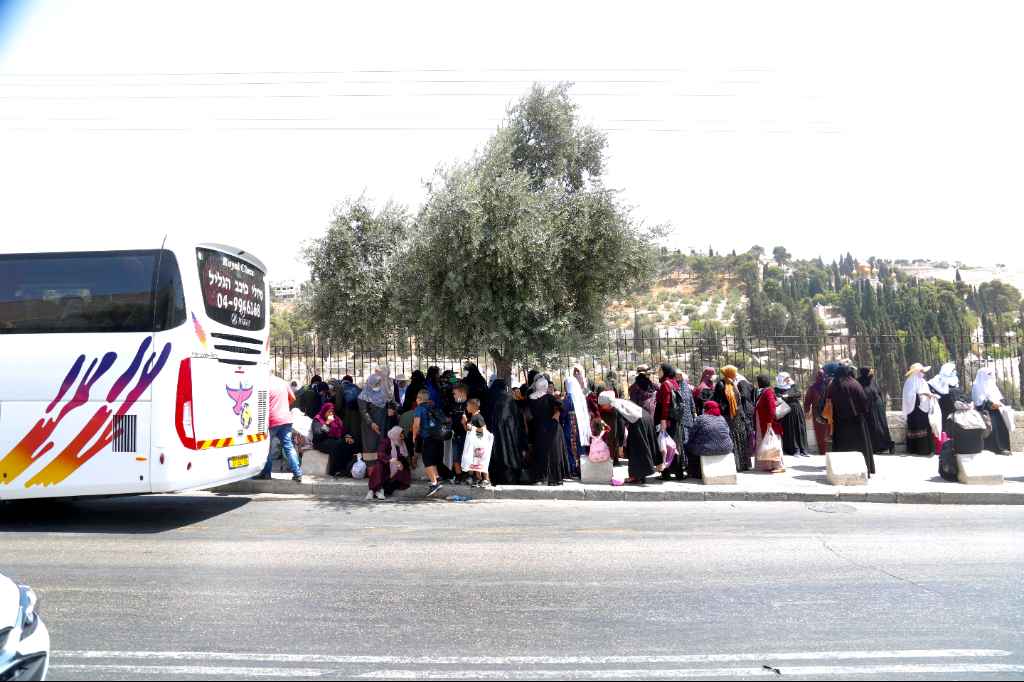
Project to Transport Worshippers to Al-Aqsa Mosque
Many Palestinian families in the villages and towns surrounding Jerusalem face difficulties in accessing Al-Aqsa Mosque due to high transportation costs and challenges related to mobility, which limits their ability to visit the mosque and pray there regularly. The Minbar Al-Aqs…
Many Palestinian families in the villages and towns surrounding Jerusalem face difficulties in accessing Al-Aqsa Mosque due to high transportation costs and challenges related to mobility, which limits their ability to visit the mosque and pray there regularly.
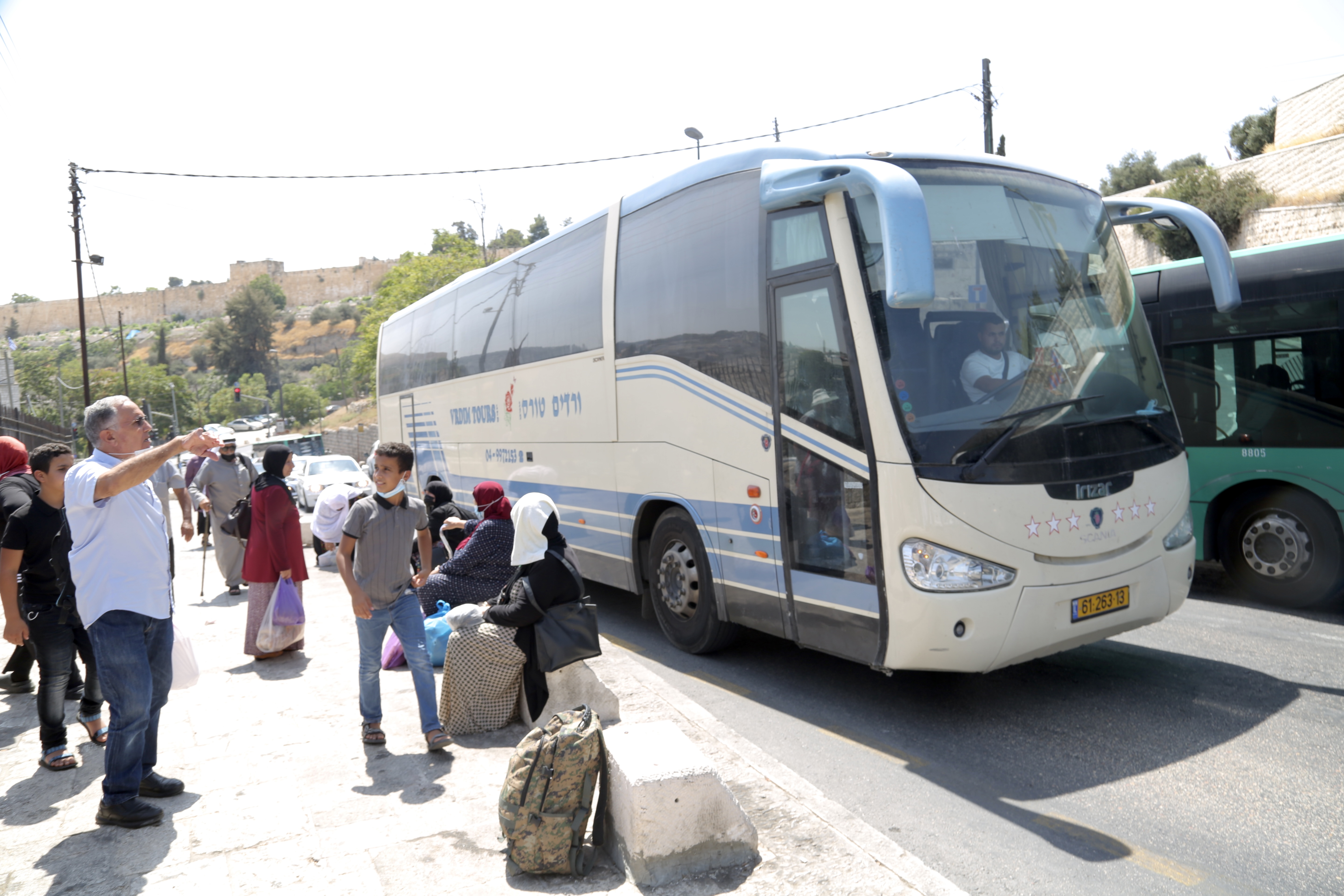
The Minbar Al-Aqsa International Foundation seeks, through the Journey to Al-Aqsa Mosque Project, to facilitate the access of worshippers from neighboring villages and towns to the mosque by providing collective transport buses that help them perform prayers within its precincts and strengthen their religious and spiritual connection to it.
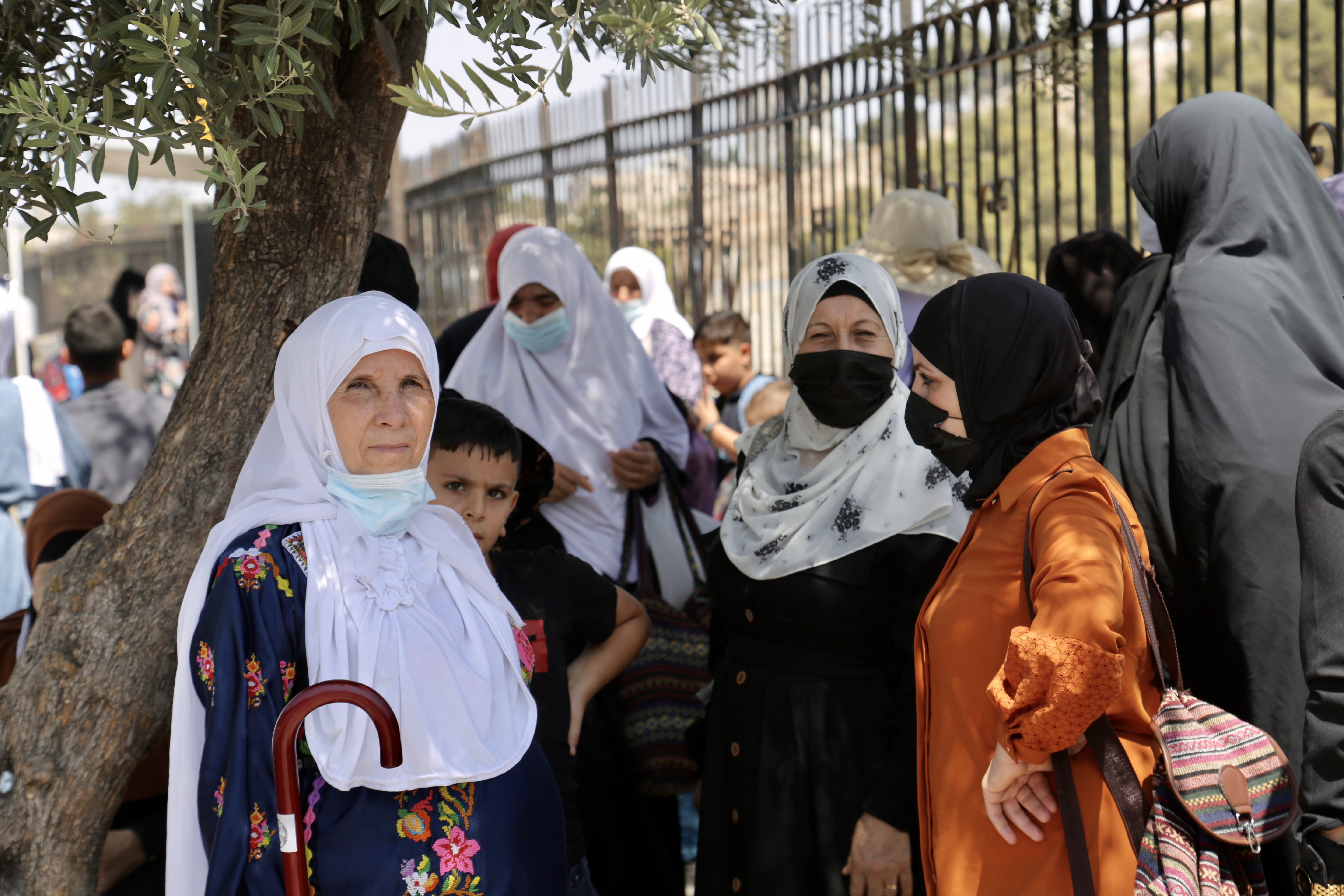
The project includes organizing regular bus trips and covering transportation costs for worshippers, especially low-income families and the elderly, alleviating their financial burdens and facilitating their access to Al-Aqsa Mosque.
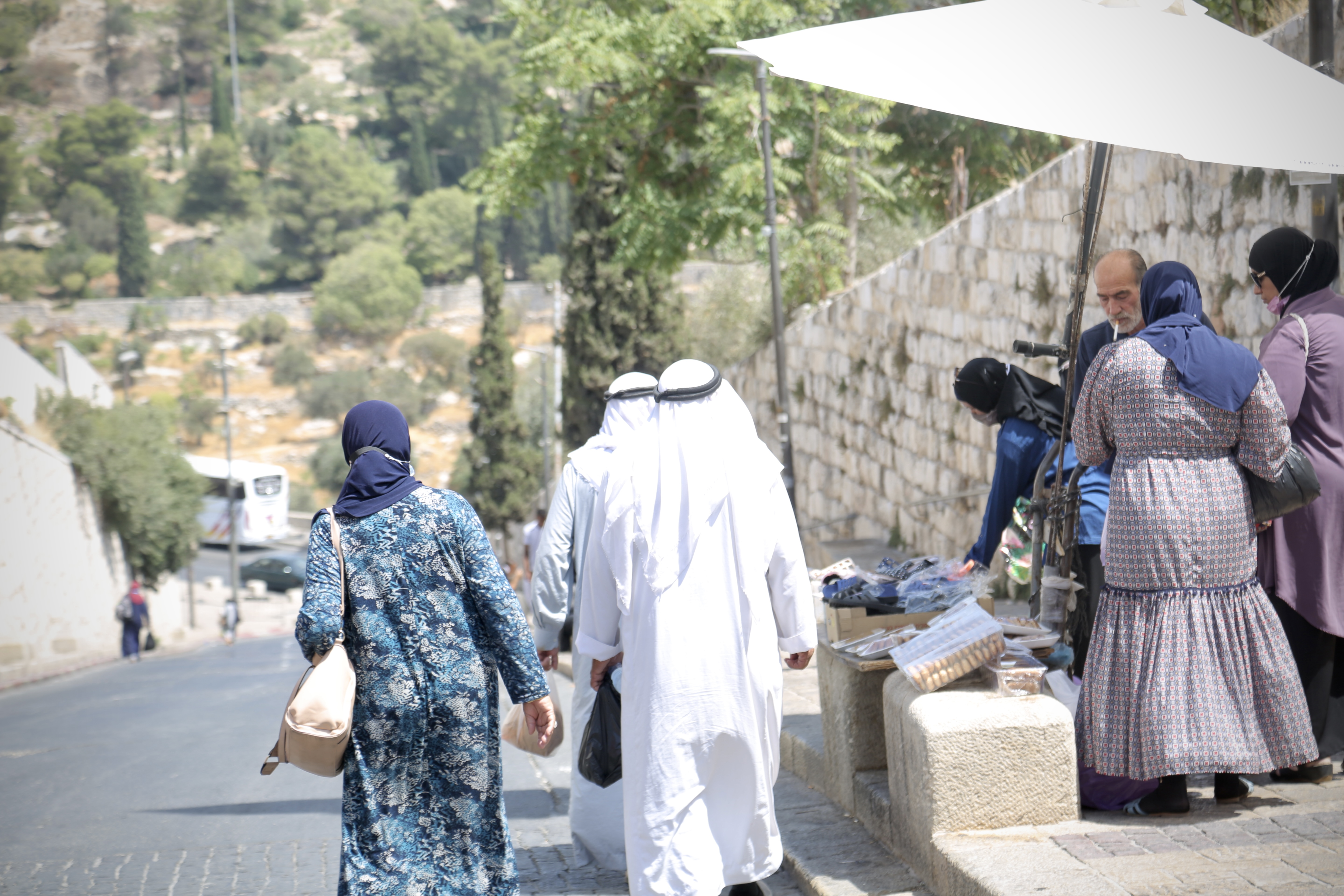
The impact of the project is not limited to transporting worshippers alone; it also extends to enhancing the revival of Al-Aqsa Mosque with worshippers, reinforcing the connection of the people from Palestinian villages and towns to it, alongside supporting the commercial movement in the Old City of Jerusalem by increasing the number of visitors.
The cost of transporting one worshipper: 15 US dollars.
The cost of a full bus accommodating 50 worshippers: 750 US dollars.
Project Goals
Facilitate the access of worshippers from neighboring villages and towns to Al-Aqsa Mosque.
Provide collective transport buses and cover transportation costs for worshippers.
Enhance the revival of Al-Aqsa Mosque with prayer and worship.
Alleviate the financial burdens on families wishing to visit Al-Aqsa Mosque.
Reinforce the religious and spiritual connection between the people of Palestinian villages and Al-Aqsa Mosque.
Support the commercial and economic movement in the Old City markets by activating the flow of visitors and worshippers.
Expected Impact of the Project
Increase the number of worshippers arriving at Al-Aqsa Mosque from neighboring villages and towns.
Enhance the continuity of visiting Al-Aqsa Mosque and reviving it with prayer and worship.
Strengthen the connection of Palestinian generations to Al-Aqsa Mosque and establish its significance in their lives.
Alleviate transportation costs for families and worshippers, especially those with limited income.
Contribute to stimulating the commercial movement and supporting shop owners in the Old City.
Enhance the Palestinian presence in Al-Aqsa Mosque and the Old City, and support the continuity of religious and economic life in its surroundings.
Contribute to transporting worshippers to Al-Aqsa Mosque
With 15 US dollars, you can cover the cost of transporting one worshipper to Al-Aqsa Mosque.
And with 750 US dollars, you can sponsor a full bus that transports 50 worshippers from neighboring villages and towns to the precincts of Al-Aqsa Mosque.
Donate now… and sponsor a bus that brings 50 worshippers closer to Al-Aqsa Mosque.
The project is carried out by our field team in Al-Aqsa Mosque, following an approved plan with documented on-the-ground follow-up.
Implementation data is reviewed before publication in our reports; no figure is announced before it is approved.
Related Projects
All Projects


FAQ
What is the goal of the Journey to Al-Aqsa Mosque Project?
The project aims to facilitate the access of worshippers from neighboring villages and towns to Al-Aqsa Mosque through collective transport buses.
What is the cost of transporting one worshipper?
The cost of transporting one worshipper is 15 US dollars according to project data.
What is the cost of a full bus?
The cost of a bus that accommodates 50 worshippers is 750 US dollars according to project data.
Who benefits from this project?
The project focuses on worshippers from neighboring villages and towns, especially low-income families and the elderly.
