
Blogg
 Tillit & åpenhetCommunity-led recovery: why solutions work better when residents help design themA practical guide explaining community-led recovery in humanitarian contexts, and what makes interventions safe, effective, and sustainable without exaggeration or unverified claims.
 Levebrød & miljøRepairing rural roads after disasters: how one road affects food, health and educationA practical guide explaining rural infrastructure in humanitarian contexts, what makes interventions safe, effective, and sustainable without exaggeration or unverified claims.
 Levebrød & miljøGreen skills for youth: new jobs across energy, water and agricultureA practical guide explaining green skills in humanitarian contexts, and what makes an intervention safe, effective, and sustainable without exaggeration or unverified claims.
 Levebrød & miljøManaging household debt after crises: why new income alone may not save a familyA practical guide explaining household debt after crises in humanitarian contexts, and what makes interventions safe, effective, and sustainable without exaggeration or unverified claims.Levebrød & miljøMarkets after disasters: how do we know the market can support recovery?A practical guide explaining market recovery in humanitarian contexts, and what makes intervention safe, effective, and sustainable without exaggeration or unverified claims.
 Levebrød & miljøAgricultural insurance and climate risk: can a small farmer be protected from one disastrous season?A practical guide explaining agricultural insurance in humanitarian contexts, and what makes interventions safe, effective, and sustainable without exaggeration or unverified claims.
 Levebrød & miljøSafe water reuse in agriculture: an opportunity that needs clear controlsA practical guide explaining the safe reuse of water in humanitarian contexts, and what makes an intervention safe, effective, and sustainable without exaggeration or unverified claims.
 Levebrød & miljøRainwater harvesting: turning seasonal rain into a dependable resourceA practical guide explaining rainwater harvesting in humanitarian contexts, and what makes the intervention safe, effective, and sustainable without exaggeration or unverified claims.
 Levebrød & miljøSolar-powered irrigation: when does the sun become part of food security?How solar irrigation cuts costs and stabilises production — and the conditions that make it sustainable.Levebrød & miljøUrban agriculture in crises: can small spaces support a family's food security?Rooftops, courtyards and small plots: what urban growing can and cannot do for family food security.
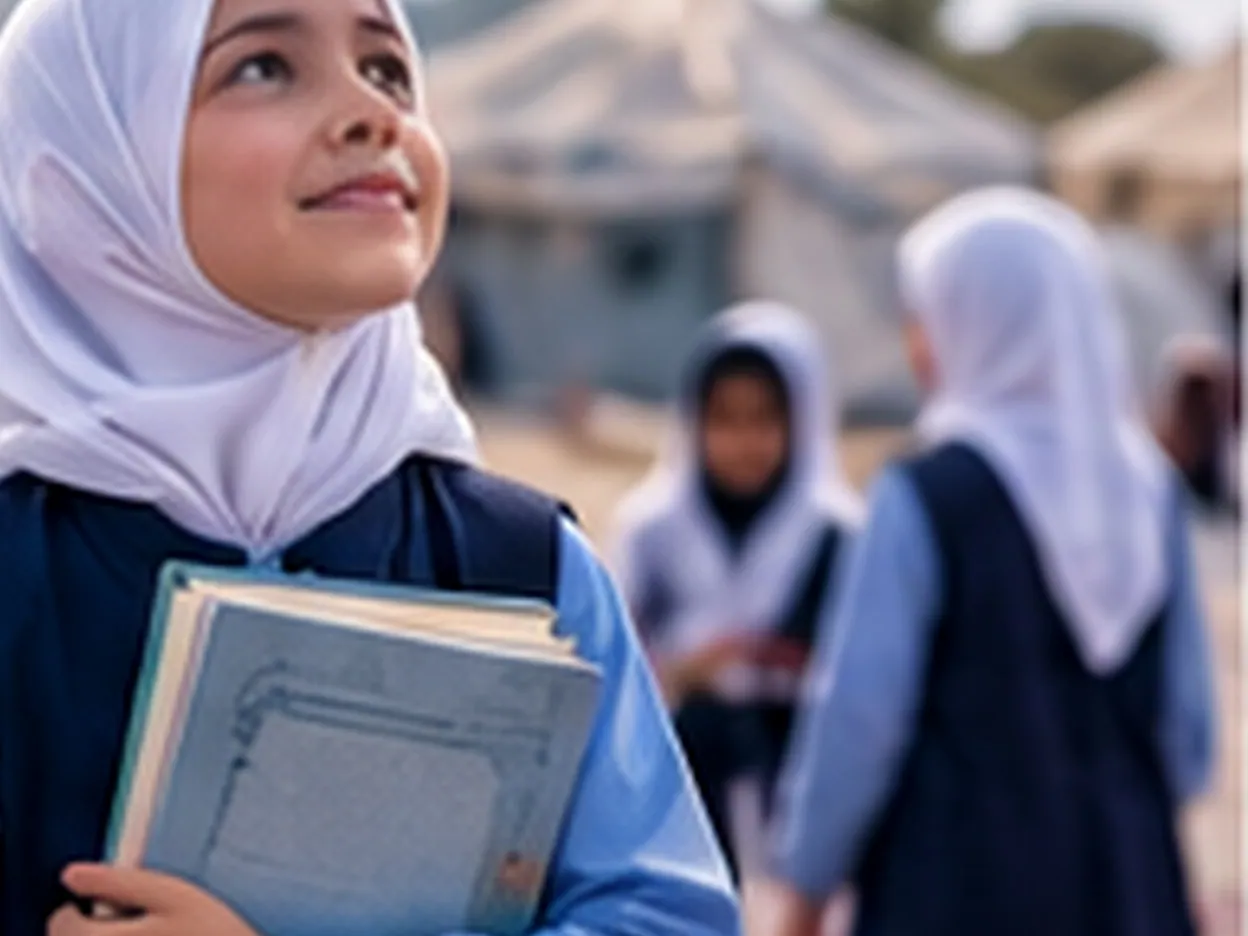 Utdanning & barndomLearning loss after crises: how do we decide what to catch up on first?Assessing what children lost and prioritising foundational skills in catch-up programmes.
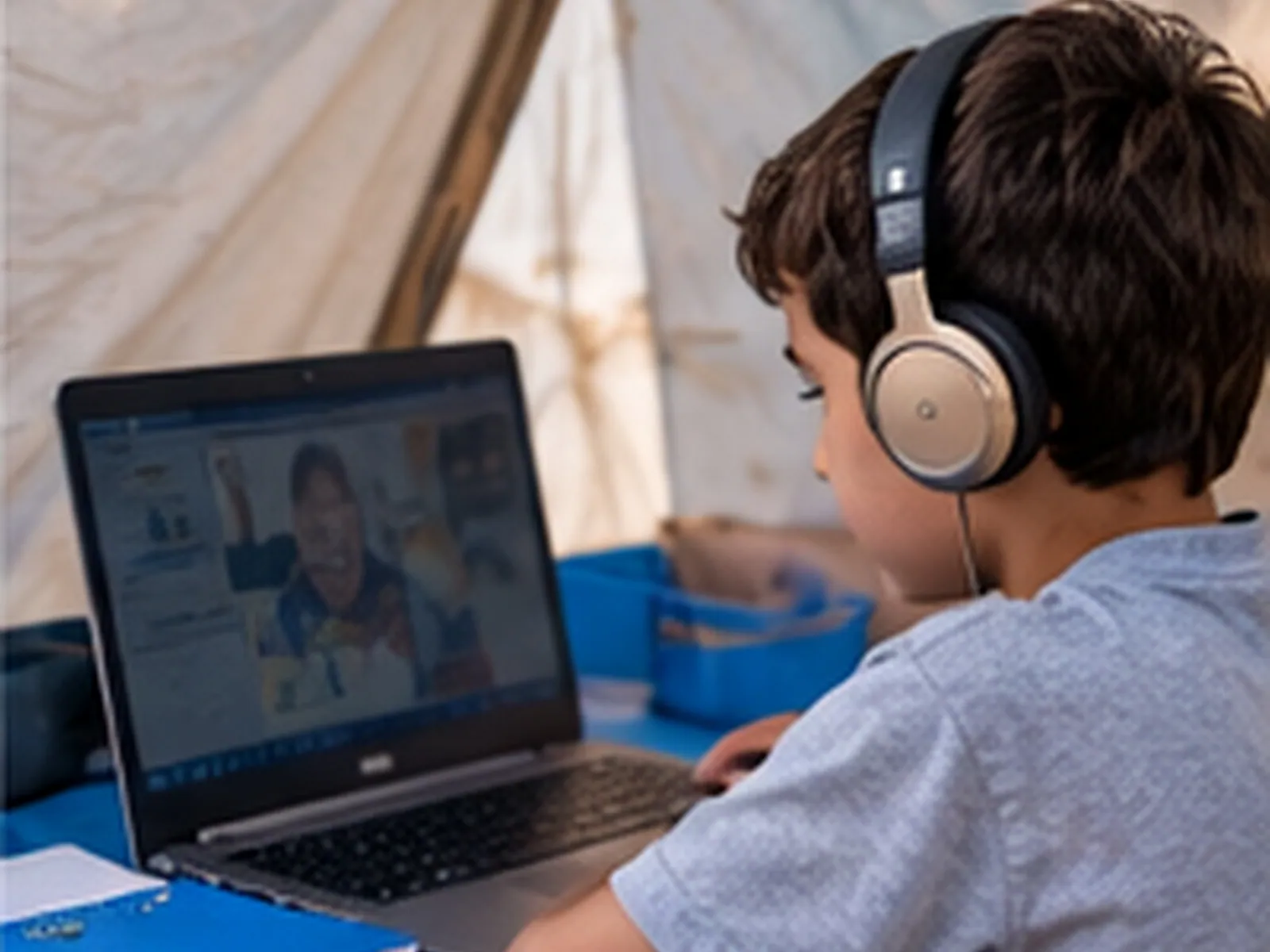 Utdanning & barndomDigital teacher training: keeping education going when students keep movingRemote training and digital tools that let teachers follow displaced students wherever they are.
«Kom til den og bed i den.»
15 $Sete
Én750 $Buss
Full
Én750 $Buss
Full
Reisen til Al-Aqsa-moskeen
Et sete koster 15 USD en hel buss 750 USD.


